Picture this: It’s a typical day in the buzzing city of Lagos, Nigeria. Awele, a street vendor, wakes up with a burning fever. She ignores it, knowing a hospital visit could wipe out her savings, and goes about her daily activities in her condition. Across town, Kelvin, an accountant with health insurance provided by his company, casually pops into a clinic for his nagging cough without a second thought. Two people, same city, same day, worlds apart in healthcare experiences. Most African countries witness this stark contrast on a daily basis, underscoring a crucial yet frequently disregarded aspect of healthcare: health insurance.

Now, I know what you’re thinking. “Insurance? Boring!” But stick with me, because this unsung hero might just be the key to transforming healthcare across our beautiful continent.
Imagine a world where everyone, regardless of their financial status, can walk into a hospital and receive the care they need without worrying about the burden of cost. This is the vision of Universal Health Coverage (UHC), and health insurance can play a crucial role in achieving this goal. However, in many African countries, health insurance remains underappreciated despite its immense potential. Forget what you thought you knew about insurance. This isn’t just about policies and premiums; it’s about people, potential, and the promise of a healthier Africa.

Healthcare in Africa can be quite unpredictable. One minute you’re celebrating a new hospital opening, and the next you’re hearing about medicine shortages. It can be overwhelming! However, in the midst of all this chaos, properly planned and implemented health insurance quietly lurks, ready to intervene and rescue the situation.
Why aren’t more people joining this movement? Well, it’s complicated (isn’t everything in Africa?) smiles!). To begin with, many Africans take a risky approach to their health. Most of them gamble that they won’t get sick, or if they do, they’ll somehow manage. But when the odds are against them, the consequences can be devastating. It’s like playing Russian roulette with your life savings. In addition, many of us Africans are sceptical.
“Why pay for something I might not use?” is a question most of us ask. Indeed, it is a very logical question and sounds more like buying an umbrella in the Sahara—it seems pointless, right? Then there’s the trust issue. Let’s face it, we’ve all heard tales of insurance companies disappearing when it comes time for reimbursement. It’s enough to make anyone pause.
The informal and precarious character of our economy is an important point to remember. Putting money aside for insurance might seem like an unnecessary luxury when you’re busy hustling to make ends meet. However, we are genuinely unable to afford anything else. Remember Awele, the street vendor? One serious illness could have a devastating impact on her life, especially if she is the breadwinner for the family. This could bring her family into poverty. It’s a story that plays out far too frequently on our continent.
According to the World Health Organisation, approximately 11% of Africans experience annual catastrophic health expenditures. Millions of families are on the brink of financial collapse due to just one illness. When properly organised and put into place, health insurance can save lives by lowering healthcare costs for everyone by distributing the financial risk among many. Health insurance isn’t ideal, mind you. Total opposite! Unfortunately, the concept of “perfect health insurance” does not exist. However, most of the current schemes have more holes than a fisherman’s net.
Take Ghana’s National Health Insurance Scheme, which was launched in 2003 with high expectations. The goal was to make healthcare accessible to all, which sounds great on paper, but it currently only serves about 40% of the population. Slow reimbursements to healthcare providers and limited coverage made people concerned.
Consider Kenya’s National Hospital Insurance Fund, which still struggles to provide more than 20% coverage. Rwanda, on the other hand, has a more encouraging story.
Rwanda exemplifies the potential of health insurance, with over 90% of its population covered by Community-Based Health Insurance (CBHI), achieved through strong political will and community involvement. Despite this success, the country faces challenges such as ensuring the financial sustainability of the scheme and improving the quality of care.
There exist several reasons why many Africans are hesitant to get health insurance. Many people simply lack sufficient information on how health insurance works or its benefits. There is also a deep-seated distrust, often stemming from previous instances of fraud or mismanagement. Imagine purchasing a product that promises to protect you but ultimately disappoints or scams you; this is how many Africans feel about health insurance.
Furthermore, for many people, health insurance premiums are prohibitively expensive. In most African countries, where a large portion of the population lives on less than $1.90 per day, saving money for insurance can seem impossible. Furthermore, most people work in informal industries where regular income is uncertain, making it difficult to commit to regular premium payments. Cultural norms and traditional beliefs also significantly influence health insurance enrolment across Africa. In many communities, there’s a deeply ingrained reliance on traditional medicine, passed down through generations. This ancestral wisdom, while valuable in its own right, can sometimes clash with modern healthcare approaches. Alongside this, some cultures harbour a fatalistic view of health, believing that illness and wellness are predetermined or divinely ordained, thus making the concept of preventive healthcare seem alien or unnecessary.
Additionally, many health insurance schemes don’t cover all essential services. Imagine paying for insurance only to find out that it doesn’t cover the treatment you need. This can be incredibly frustrating and discouraging. Additionally, in many places, health insurance schemes are plagued by very lengthy and complicated bureaucratic inefficiencies and corruption. Delays in processing claims and reimbursements can erode trust and make people reluctant to enrol.
Looking Ahead: Evidence-Based Recommendations
So here is where it gets exciting: despite these challenges, there is hope for the future! Imagine a future where every African has access to quality healthcare without fear of bankruptcy. A future where a farmer in rural Zimbabwe and a CEO in Abuja have the same peace of mind about their health. Universal health coverage promises this, and health insurance is a crucial step towards achieving it.
So how do we make this happen? It’s not about copying Western models—we need solutions as diverse and vibrant as Africa itself. Can we remember how the coming of ‘mobile money’ revolutionized banking in Africa? The same could happen with health insurance. Imagine signing up for coverage as easily as sending mobile money to your aunt in the village.
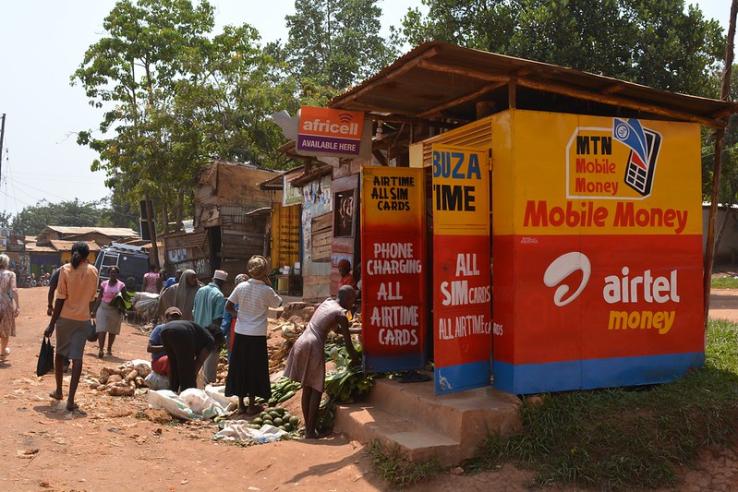
With the right strategies, health insurance can become a cornerstone of UHC in Africa. Educational campaigns can help people understand the benefits of health insurance. Transparency and accountability are key to rebuilding trust. When people see that insurance schemes are well managed and reliable, they are more likely to enrol. Making insurance subscriptions affordable is also highly recommended. Investing in healthcare infrastructure, training more healthcare professionals, and leveraging technology to streamline administrative processes can improve the quality of care and the efficiency of insurance schemes. Digital solutions, like mobile apps for claim submissions and reminders for premium payments, can make the whole process smoother and more user-friendly.
The future of health insurance in Africa is whatever we make it. It could be the bridge that finally connects every African to quality healthcare. It could be the safety net that catches families before they fall into poverty. It could be the investment that fuels economic growth by keeping our workforce healthy and productive.
But for any of this to happen, we need to care. We need to ask questions, demand better systems, and yes, consider enrolling ourselves. Because at the end of the day, health insurance isn’t just about policies and premiums—it’s about people. It’s about ensuring that no African has to choose between their health and their financial security.
Conclusion
Universal Health Coverage requires a multifaceted approach. Health insurance emerges not as a panacea, but as a crucial mechanism for transforming healthcare accessibility across African nations.