Right now, health organizations across the globe, particularly those in the Global South, are grappling with an all-too-familiar challenge: how to sustain critical healthcare programs in the face of shifting foreign aid priorities. Hospital administrators are reviewing budgets, wondering which essential services might need to be cut. Research institutions are reassessing their long-term projects, uncertain about the continuity of foreign funding. This is not a temporary crisis but rather the latest chapter in a decades-long pattern of healthcare instability driven by aid dependency.
”Foreign aid is meant to be a stepping stone, not a crutch; overdependence creates vulnerability, stifles local innovation, and weakens resilience.’‘ Adanze N. Cynthia
History Keeps Repeating Itself
Recently, there has been a chaotic outburst between different TV and radio stations, and social media is in a rage with mixed emotions, all reacting to President Trump’s recent decrees and actions, particularly those concerning the health sector. Globally, different health organizations are pouring in reactions, with some sending pleas for the president to kindly rethink his actions.
In 2020, then-U.S. President Donald Trump’s decision to withdraw the United States from the World Health Organization (WHO) and cut funding to global health initiatives sent shockwaves through Africa’s healthcare systems. Fast forward to 2025, and the world, particularly African countries, once again finds itself in a familiar crisis: a sudden void in essential healthcare resources, uncertain futures for immunization programs, and a scramble for alternative solutions. This was not the first time foreign political decisions had left the continent vulnerable, and unfortunately, it may not be the last.
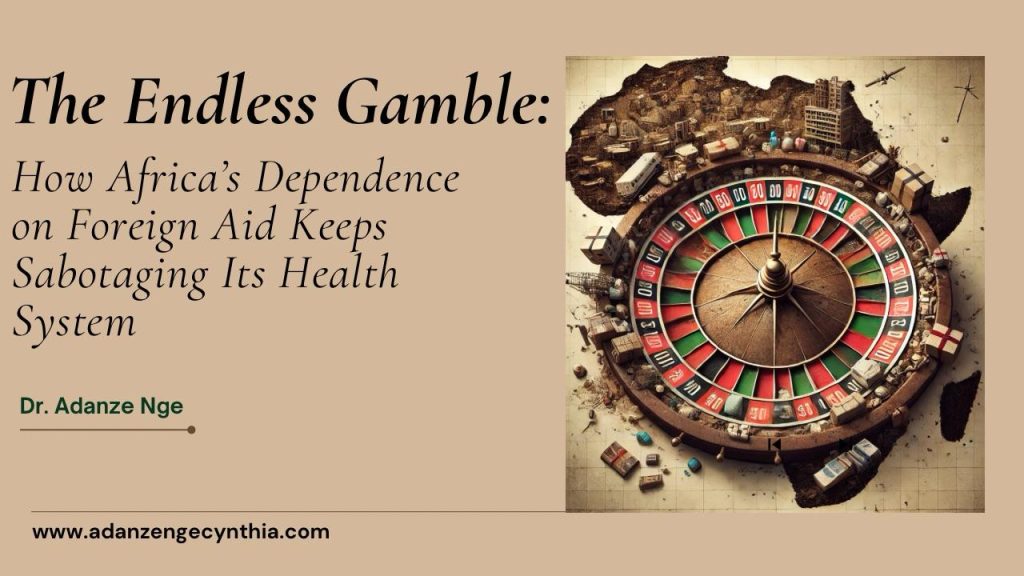
For decades, most African countries have built their health systems on borrowed lifelines, relying on donor funds to sustain critical health programs. Yet, every time political winds shift in Washington, London, or Brussels, Africa is left scrambling to pick up the pieces. This cycle of dependency has repeatedly demonstrated our lack of control over our health systems.
The hard truth? Africa has gambled with its health for far too long. We have been warned repeatedly, yet we continue to leave our fate in the hands of foreign governments whose priorities can change overnight. The lesson is clear: If Africa does not take bold steps toward self-reliance in healthcare, we will remain vulnerable to every political whim of the West.
Global criticism has greeted Trump’s move, yet it should serve as a crucial reminder for Africa. Instead of lamenting over lost funding, this moment presents an opportunity to redefine Africa’s health sovereignty by intensifying local pharmaceutical manufacturing, reducing reliance on foreign aid, and strengthening traditional medicine as a legitimate pillar of healthcare. The continent must now prioritize Africentric health diplomacy, where African nations dictate their own health policies, research, and production capabilities rather than being at the mercy of external political decisions.
A Pattern of Abandonment: Lessons We Refuse to Learn
Trump’s withdrawal from WHO was a shock; was it! because history has shown inconsistent patterns with the Western nations as partners when it comes to Africa’s healthcare. A few examples serve as stark reminders:
The HIV/AIDS Funding Rollercoaster
In the early 2000s, PEPFAR (President’s Emergency Plan for AIDS Relief), a U.S.-funded program, played a key role in expanding HIV treatment in Africa. However, each administration that followed adjusted the funding levels based on shifting political interests. Under Trump, there were serious budget cuts to PEPFAR, threatening millions of lives. Every time the U.S. changes presidents, Africa’s HIV/AIDS fight faces uncertainty.
Ebola: A Crisis That Exposed the Flaws of Aid Dependency
When Ebola struck West Africa in 2014, African nations initially waited for international organizations to respond. The world only acted when the virus became a global threat, exposing the reality that Africa’s health crises are often secondary priorities to the West. The slow response and sudden rush of aid funds once Ebola reached Western shores highlighted the danger of relying on external goodwill.
COVID-19 and the Vaccine Hoarding Scandal
During the COVID-19 pandemic, Western countries hoarded vaccines, leaving African nations at the back of the line. Even after manufacturing partners like India faced their shortages, Africa was left begging for doses while wealthier nations had stockpiled. This should have been the final warning sign that Africa cannot afford to keep relying on external suppliers for its medical needs.
Despite all these warnings, we have yet to arm ourselves fully. Every crisis exposes our dependence, yet we return to the same failed model of waiting for foreign intervention.
The Cost of Overdependence on Foreign Aid
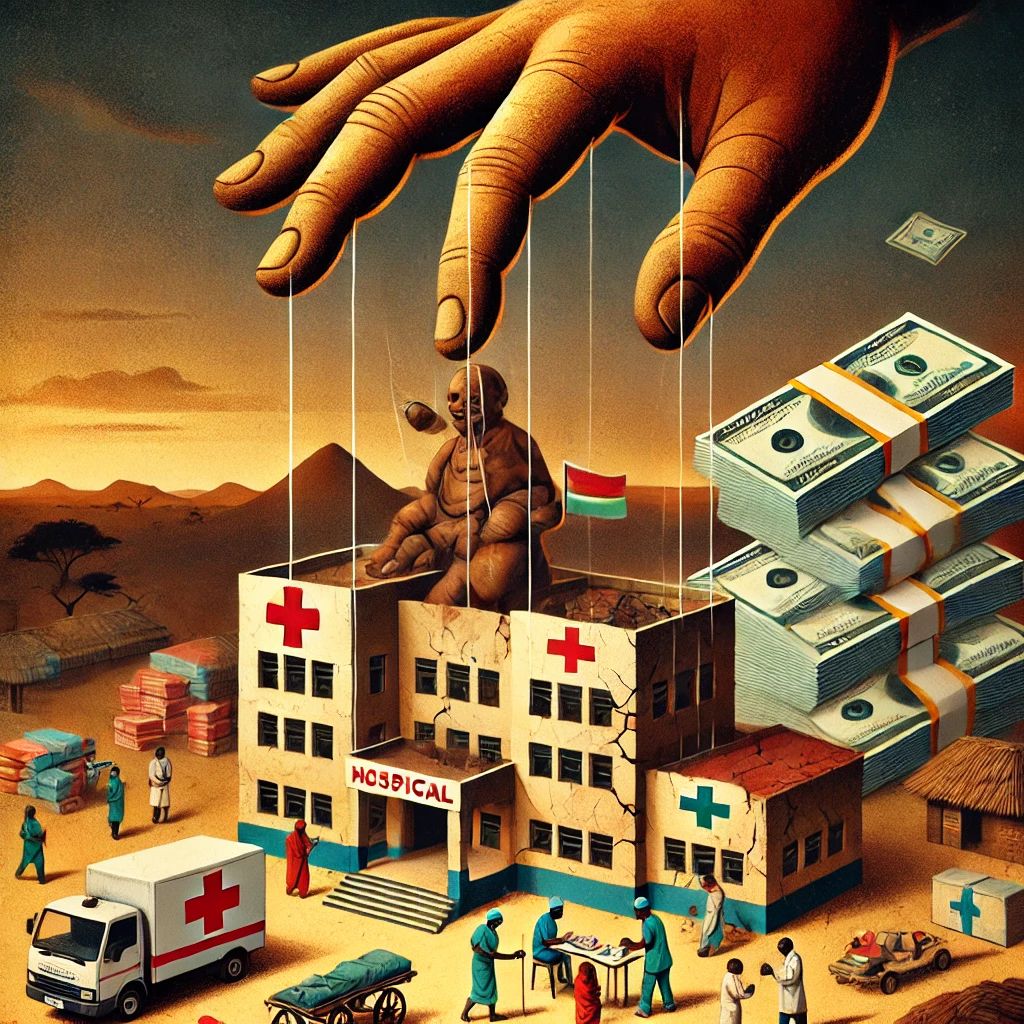
Relying on foreign aid is not just unsustainable; it is dangerous. Every time Africa places its health system in the hands of donors, it comes at a cost: First, there is limited or no control over policy as foreign donors decide which health priorities receive funding, often shaping policies based on their political or economic interests rather than Africa’s actual needs.
Secondly, it leaves us with a scenario of ‘Short-Term Solutions Over Long-Term Sustainability’ as many donor-funded programs are designed for quick impact rather than lasting infrastructure, leaving Africa vulnerable when funding disappears.
There is also the problem of limited innovation. Relying on foreign solutions discourages investment in homegrown research and development, keeping Africa permanently behind in medical advancements. If Africa does not take immediate action to break this dependency, we are doomed to repeat this cycle in the next global health crisis. African governments must shift from aid dependency to sustainability, ensuring that health programs are led, funded, and owned by Africans.
The Way Forward: A Call for Health Sovereignty
The Urgent Need to Intensify Local Pharmaceutical Manufacturing
The pandemic proved that we cannot continue to import 70% of our medicines while hoping foreign suppliers will prioritize us. Local pharmaceutical production must be a national security priority. Countries like Senegal, South Africa, and Nigeria are already taking steps toward vaccine production, but the pace is too slow. Governments must invest in local drug and vaccine manufacturing plants, enforce policies that prioritize local procurement over imports, and provide funding for pharmaceutical research and innovation. Notwithstanding, collaboration between governments, universities, and private companies should be encouraged as they can accelerate pharmaceutical innovation.
The Untapped Power of Traditional Medicine and Indigenous Knowledge in Strengthening Africa’s Health System
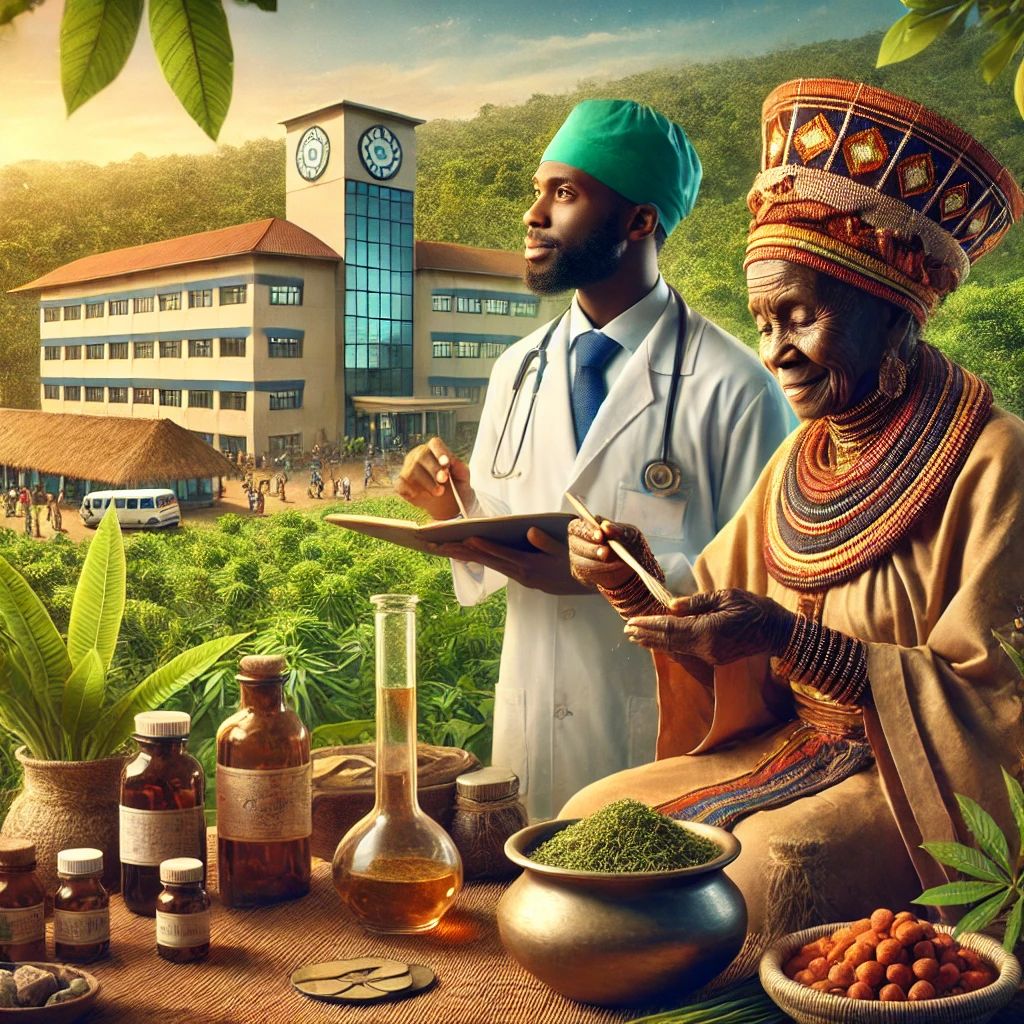
Our traditional medicine sector represents not just our heritage but a viable path forward. Africa’s rich tradition of herbal and plant-based medicine has long been sidelined in favor of Western pharmaceutical models. However, as seen in China, traditional medicine can coexist with modern healthcare, as it successfully incorporated Traditional Chinese Medicine (TCM) into its healthcare system.
Instead of dismissing traditional medicine as “unscientific,” African governments should invest in research, standardization, and integration of traditional healing practices into modern medicine. Strengthening this sector means funding scientific research into the efficacy of African herbal treatments, developing regulations to ensure quality and safety, and exporting African medical solutions to the global market.
There is already widespread use and cultural acceptance of traditional medicines in most African countries. The WHO estimates that 80% of Africa’s population relies on traditional medicine for primary healthcare. Furthermore, there is potential for new drug development as plants like Artemisia annua (used in malaria treatment) prove that African medicine can yield globally recognized solutions.
Africentric Health Diplomacy: Building a Stronger Future
We must confront an uncomfortable truth: our current healthcare crisis is not just about foreign powers withdrawing support; it’s about our continued failure to learn from history. Despite possessing 15% of the world’s population, Africa produces only 3% of its medicines. We have over 5,000 registered African medicinal plants, yet we’ve barely scratched the surface of their potential. The African pharmaceutical market is projected to reach $70 billion by 2030, yet we’re content to let foreign companies dominate this space.
For too long, Africa has been a passive recipient of global health policies rather than an active architect. If we are to achieve health sovereignty, we must take charge of global health negotiations and funding mechanisms. Africa must embrace Africentric health diplomacy, where policies are designed by Africans, for Africans.
This can be achieved via advocating for African-led health initiatives, enhancing intra-African health partnerships, strengthening regional health partnerships (e.g., African Medicines Agency), developing independent funding structures for emergency response, and making strategic negotiations in global health forums.
A Call to Action
This latest crisis must be our last. We can no longer afford to act surprised when foreign support evaporates. The solution lies not in better aid relationships but in breaking free from the cycle of dependency entirely. Our continent has the largest genetic diversity in the world, rich traditional medical knowledge, abundant natural resources, and a young, innovative population. These assets remain largely untapped while we continue to depend on foreign assistance.
Africa does not need pity or handouts; we need bold leadership, strategic investment, and self-reliance. It is time to break free from the cycle of dependency and build a health system that is truly ours. The days of waiting for the West to solve Africa’s problems must end.
We find ourselves at a pivotal juncture, where every choice we make has the potential to shape our future. We can either continue the cycle of dependency and vulnerability, or we can finally learn from history and build truly independent, resilient healthcare systems. The choice and the responsibility are ours.